

THIS DARK ACADEMIA: BOOK REVIEW By Naomi Simone Borwein (August 13, 2024)
O’Sullivan Sachar, Cassandra. Darkness There But Something More. Wicked House Publishing, March 1, 2024. ISBN-10: 1959798324. ISBN-13: 978-1959798323. Print.
Reviewed Work
Winner of Regal Summit Book Award in the mystery category, Darkness There But Something More is Cassandra O’Sullivan Sachar’s debut novel from Wicked House Publishing (March 1, 2024). The story begins with a captivating hook: ominous events and sorority pledges during “Hell Week” (8). This thrilling tease raises many questions, an unfolding mystery seen through the eyes of a Poe scholar named Marissa Owens. Throughout Darkness There But Something More a careful balancing is enacted between horror and realism. The epilogue and prologue become meta-commentary—in the tradition of Poe and American Gothic, Ann Radcliffe, and second wave British Gothicism—incorporating an anti-Sorority Hazing message and a subtle ideological call to “push past” darkness and shadow (41, 513).
In a July 15 Horror Realm, “Women of Horror Spotlight” Interview, Sachar positions the paratext of the darkness in her title, which drives this experimental Female Gothic novel: the darkness of trauma and ruptured feminine identity, of losing a baby, and a subsequent divorce. Darkness is the tale of a 40-something year old narrator and college professor, whom “delve[s] into” the skeletons in “her past,” after leaving Sainsbury University to make a “fresh start” at Blackthorn University, her alma mater. Sachar states that the protagonist is “revisiting some territory” and her relationship with an old English professor. As the plot develops, a student she is close to goes missing and later ends up dead. Emphasizing the dual timelines of the narrative within the college system, two threads emerge: one in the late 90s and the other in the present day. There are many twists and turns in the story that augment Poe-esque and Dickensian Gothic mystery conventions, which she modernizes. The narrative voice is approachable and relatable, and explores the intricacies, the underbelly, of everyday academia through a Horror lens.
Dark Romantic Gothic
While Chapter 1 (set in Sainsbury University) cements the careful layering of horror and realism with the metaphor for the dark side of academia, Sachar employs aspects of the Romance genre, creating a subtext for genre conversations and the rupture of the Romantic ideal of the professor trope. While Marissa’s ex-husband David Hanlon becomes a critique of stereotypes of “perfect masculinity” and disillusionment, as aesthetic metatext, he also allows Sachar to play with the narrator’s movement between and “into a different world” (20). This takes on a much darker meaning as the narrative progresses. Like the prologue itself, romantic relationships in the book help develop another allusion, a foil for relations in the book, with a new romantic interest, Jake. It is to the 1849 poem “Annabel Lee” (recalling Poe’s narrator and Annabel Lee) itself: “Loved with a love that was more than love” (20).
This Dark Academia
Marissa takes a job at Blackthorn University, here we find hints of The Turn of the Screw (the 1898 novella by Henry James). Telegraphing the ‘thrilling anonymity’ (32) of the retrogression to the status of a visiting professor, the use of Temporary and Permanent positions becomes a means of representing psychological states of forms of faculty layered over Gothic horror anxieties: the temps “who knew what skeletons were in their closets,” a “transient,” “an interloper” (35) as an allegory for the narrator’s own past—a visiting professor who is suspect because they left a tenure track appointment. Marissa is assigned a class on Poe, and geography becomes a poignant statement about the nexus between reality and Horror fiction. Blackthorn University is an hour and a half away from the Poe House in Philadelphia, highlighted here by a metafictive syllabus for “Poe in Pennsylvania,” where students would picnic on the Wissahickon River that Poe wrote about (37). From the beginning line to the last chapter, “Blackthorn Gazette” (and the epilogue) this hyper real discourse undergirds the novel.
In The End
The narrative culminates where it begins, “at waters edge,” (502) a truth-telling spell, and an unsettling revelation. From the first pages, we know the female protagonist, Marissa Owens, is hiding something. The story takes you through an intense labyrinth of plot twists, ensuing events, a death, strange behaviours, looming obsession, power, and occult ritual all tied to the sisterhood: “my Poppies” on “Hell Night” (486, 489). Indeed, Sachar’s metatextual narrative has “dabbled in a world even darker than Poe’s” (491) through the socio-cultural impact of horror realism along the narrator’s own path to self-discovery.
Darkness There But Something More is a spelling binding story, a contemporary multilayered whodunit that is symbolic of literary horror and amplifies gender-based trauma through a literary and critical engagement with Poe’s aesthetics and stylistics, as much as a rewriting of the iconography of Annabel Lee and the Gothic Victorian woman in contemporary America.
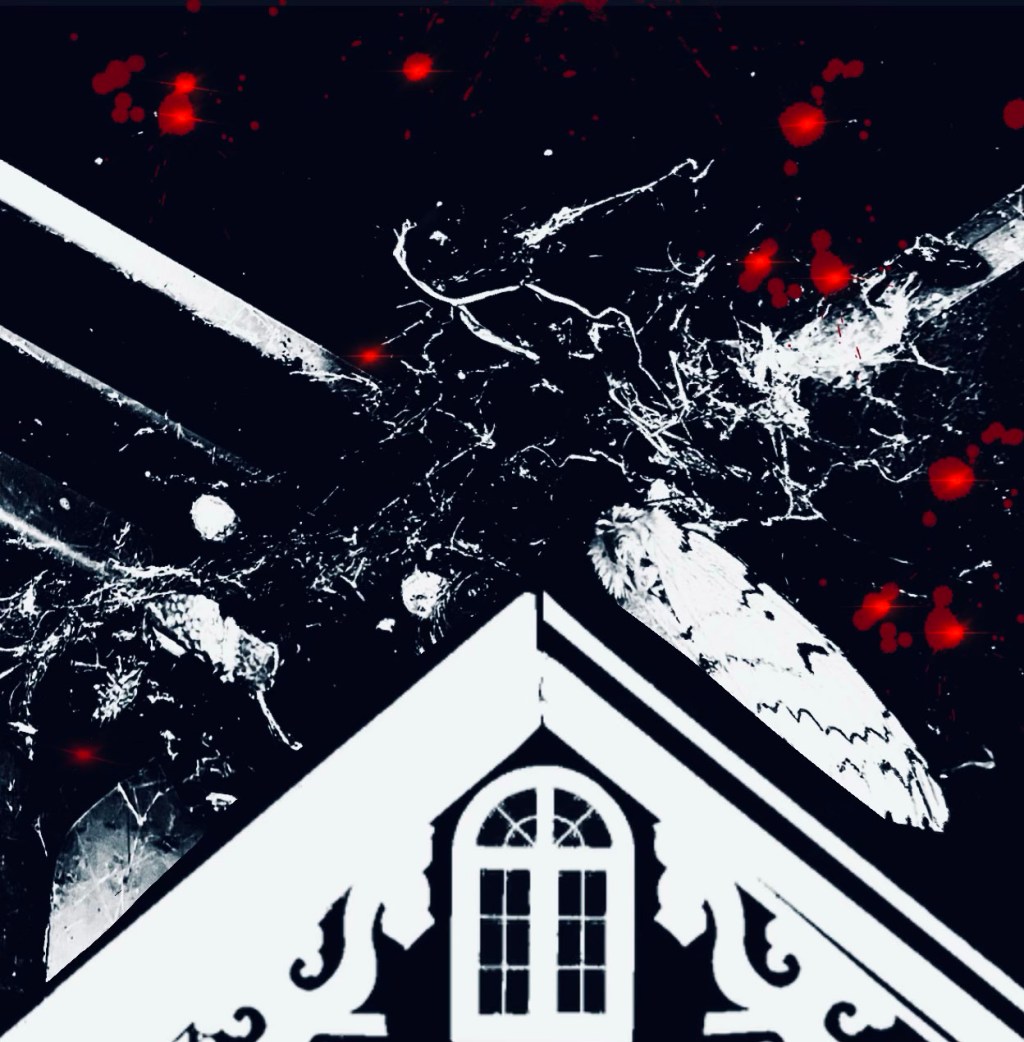
See also The Angry Gable #1 by Cassandra O’Sullivan Sachar

 Angry Gable Press