

“As the first earthquakes began to rumble,
Deborah L. Davitt
the oldest knights called their cohorts to arms,
but the young squires said
that it was just a natural event,”
“The Myths that
Whisper Truths”
Q1: Describe your cozy place.
A1: In the house I share with my husband and our furry critters, there is a large room, that was intended to be split into a formal dining room and a sitting room. Neither of those notions are particularly us! Half has been our mutual office, filled with two desks, computers, and a variety of other equipment. (And a cat stand. And cat toys. Very important!) The other half of the room is the library. My husband’s piano sits in front of the window, the walls are lined with books, and there’s a couch. Oh, and this is also our dog’s sleeping and primary play and ‘be with’ area. The cats treat it as a “the floor is lava!” zone because his nose will inquisitively latch onto them if they’re not careful. But this is my place. I work here, I read here, I hang out with my husband and the creatures that share our lives here. There’s fantasy art on the walls, and needle-art pieces I’ve done. It’s comfy. And it’s home!
Q2: Summarize your piece in a haiku.
A2:
long-buried giants
make the earth tremble and churn–
doubt’s the real killer
Q3: When the apocalypse hits, where do you imagine yourself being and why?
A3: Sorry, I’m about to wax philosophical. Apocalypses have been going on since Gilgamesh, if not before. But they’ve always been local, or at least, regional. Devastating floods and famines have wiped out civilizations (check out the height of Mayan civilization, and their collapse after their Classic period, though no one really knows what brought that about). The most genuine *apocalypse* I can think of is the Bronze Age Collapse, in which multiple civilizations were affected, trade networks broke apart, and writing vanished in several regions for hundreds of years. These days, we call localized apocalypses by the more constrained term of “disaster.” And heck, I’ve been through one of those; I lived in Houston during Hurricane Harvey. That storm wreaked havoc on our city and our neighbors, but largely (and thankfully!) passed us by unscathed. In the face of any future disaster or apocalypse, I will be right where I am now–not far from my husband and family, and (hopefully) ready to roll up my sleeves and start the cleanup. And in that, I’d be like many, many people before me. Because . . . the descendants of the Maya are still around. Still live in the same region. Life goes on, because we do the work of living!
Q4: What part about the apocalypse excites you the most?
A4: The part about apocalypses that interests me most, is the part that more, er, disaster-porn series miss out on. And that is: communities forming and people figuring out survival. Because that’s what humans do. So many post-apocalyptic shows and books (I’m looking at The Walking Dead in particular here) focus on how humans are terrible and awful and how people in isolated communities will, obviously, act like they’re on a reality TV show and always make the worst, most self-interested choices and will stab each other in the back. That is, with respect, not the overall trajectory of human civilization. Generally, in survival situations, people work their tails off to save themselves and each other. That’s literally how and why we’re still here. So my favorite thing about apocalypses is: people stand back up. They roll up their sleeves. And they make the world better, by being in it.
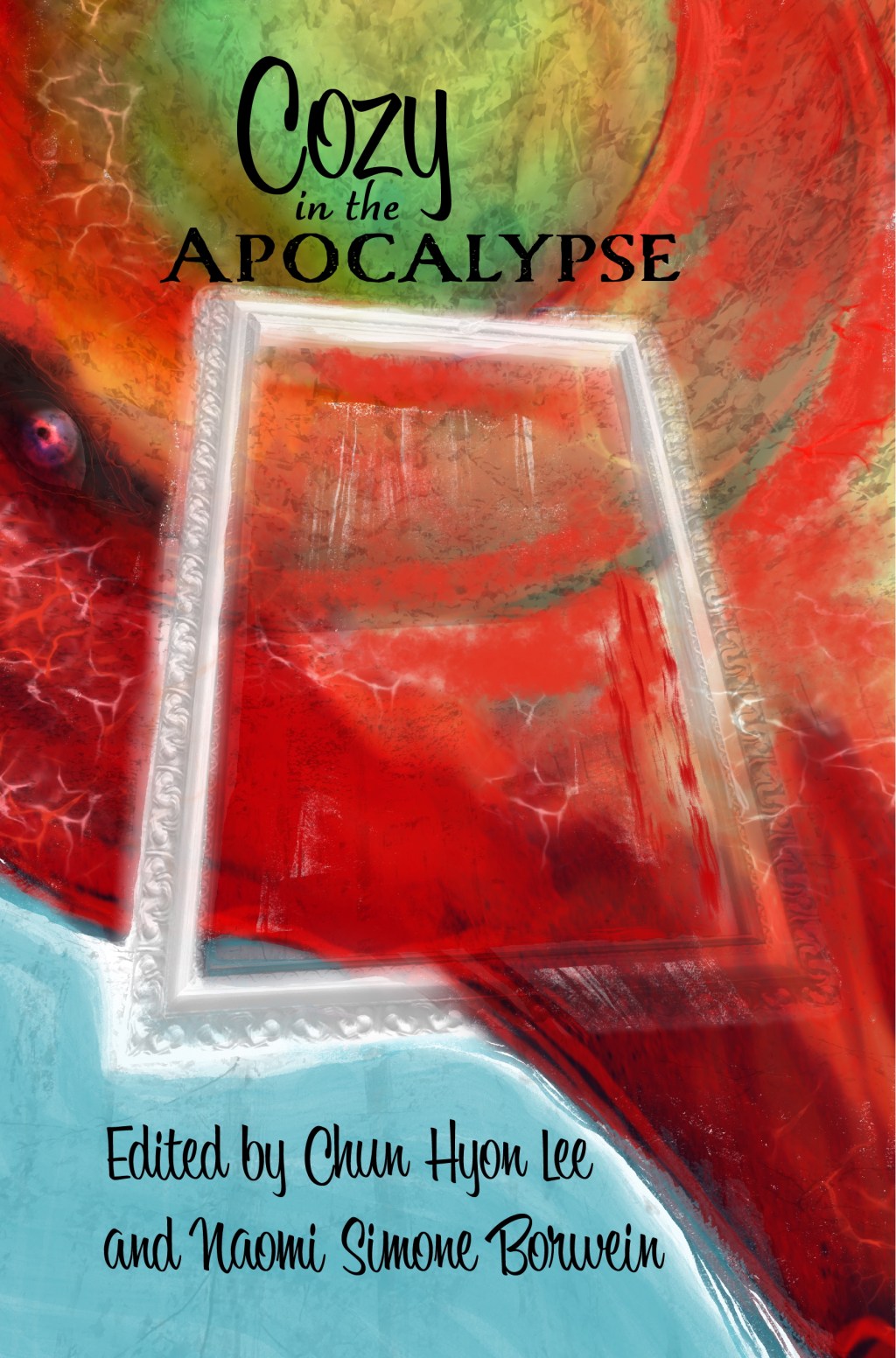
Read Deborah L. Davitt’s work in Cozy in the Apocalypse!
Deborah L. Davitt was raised in Nevada, but currently lives in Houston, Texas with her husband and son. Her award-winning poetry and prose have appeared in over seventy journals, including F&SF, Asimov’s, Analog, and Lightspeed. For more about her work, including her poetry collections, The Gates of Never, Bounded by Eternity, From Voyages Unreturning, Xenoforming, and To Love Unquietly, please see http://www.deborahldavitt.com.


